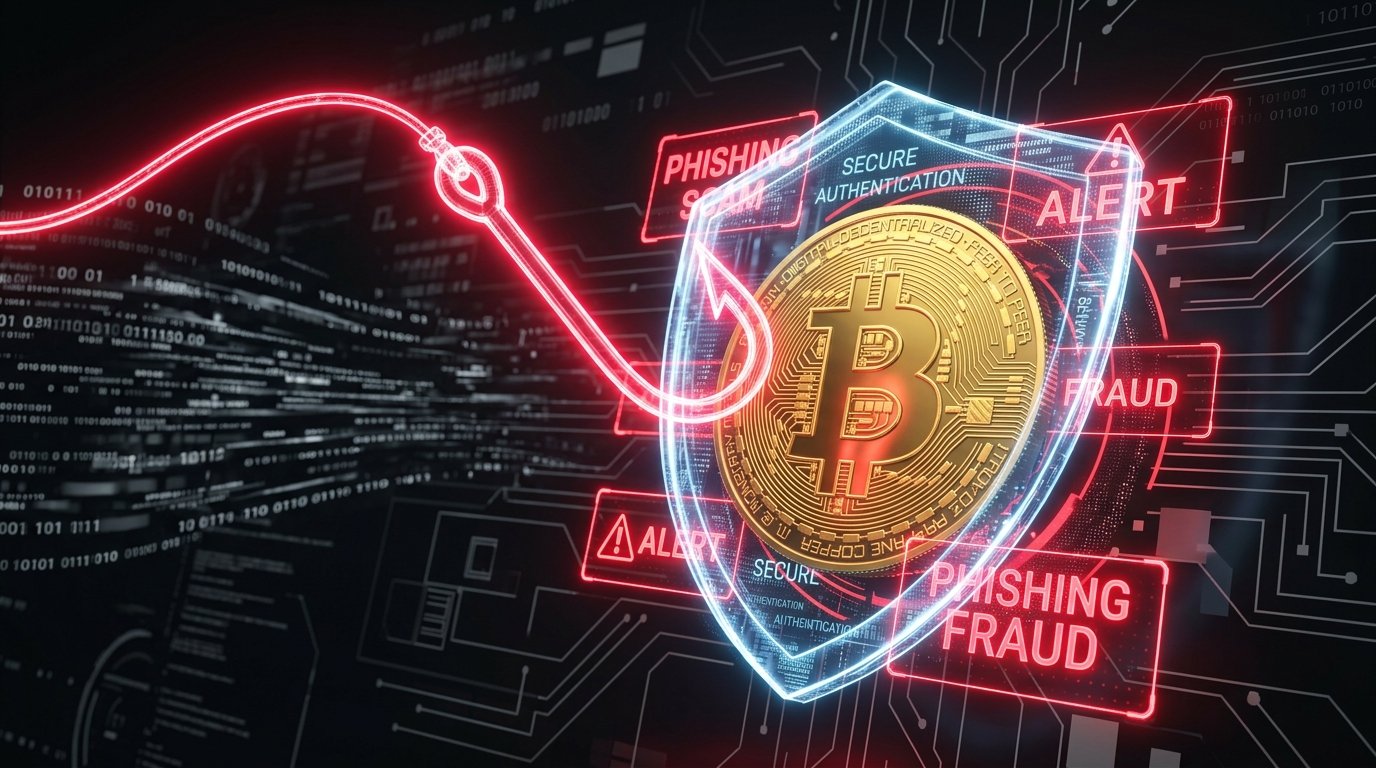
Cryptocurrency gives users a lot of control over their money, but that control also creates a serious security responsibility.
When you use a traditional bank, there may be systems for detecting suspicious transactions, freezing accounts, or investigating fraud. With cryptocurrency, transactions are often irreversible, and scammers know how to take advantage of that.
I’ve found that many crypto scams don’t begin with complicated blockchain technology. They usually begin with a simple message:
“You’ve won.”
“Send crypto and we’ll double it.”
“Your wallet needs verification.”
“This investment is guaranteed.”
The technology may change, but the basic scam techniques remain surprisingly similar.
Here are five common crypto scams beginners should understand, along with practical ways to recognize and avoid them.
1. Fake Investment and Trading Scams
Fake investment schemes are among the most dangerous crypto scams because they can look like legitimate businesses.
A scammer may claim to be a professional trader, investment company, crypto expert, or automated trading platform.
They might promise:
- Guaranteed profits
- Daily returns
- Risk-free cryptocurrency investments
- Fixed monthly income
- AI-powered trading
- “Secret” trading strategies
- Extremely high returns
The scammer may even show you a professional-looking dashboard displaying fake profits.
For example, you might deposit $500 and see your dashboard showing:
Account balance: $1,850
It can look convincing.
But when you try to withdraw the money, the platform may suddenly demand another payment.
They might say:
“Pay a 10% tax before withdrawal.”
Or:
“Send a verification fee.”
After you pay, another excuse appears.
Eventually, the website disappears or the person stops responding.
How to Avoid Investment Scams
Be extremely suspicious of guaranteed cryptocurrency returns.
Real investments involve risk. Someone promising that you cannot lose is giving you a major warning sign.
Before sending money:
- Research the company independently.
- Check whether the platform is properly regulated where applicable.
- Search for independent reviews.
- Don’t rely only on testimonials shown on the platform.
- Never let someone pressure you into depositing immediately.
- Be suspicious of guaranteed returns.
- Test whether withdrawals actually work before committing significant funds.
Most importantly:
Never confuse a professional-looking website with a legitimate investment business.
2. Phishing and Fake Wallet Websites
Phishing scams attempt to trick you into giving criminals access to your accounts or cryptocurrency.
In crypto, phishing commonly involves fake:
- Wallet websites
- Exchange websites
- Airdrop pages
- NFT marketplaces
- Support pages
- Login screens
Imagine you receive an email saying:
“Your wallet has been suspended. Verify your account immediately.”
There’s a button:
Verify Wallet
You click it.
The website looks almost identical to the real service.
It asks you to enter your recovery phrase.
This is the point where you should stop.
A legitimate wallet service should never require you to provide your seed phrase to a random website in order to unlock your wallet.
If you enter your recovery phrase into a phishing website, the attacker may gain control of your wallet.
How to Avoid Phishing
Never enter your seed phrase into a website simply because a popup or message tells you to.
Instead:
- Close the message.
- Open your wallet or exchange using your own bookmark or official application.
- Check whether there is actually a security notification.
- Verify the domain carefully.
- Never share your seed phrase or private key.
Be especially careful with links received through:
- Discord
- Telegram
- X
- Random websites
Scammers can create convincing copies of legitimate crypto services.
3. Fake Airdrops and Giveaway Scams
Airdrops can be a legitimate part of cryptocurrency projects, but scammers frequently use them as bait.
You might see a message saying:
“You’ve been selected for a 5,000-token airdrop!”
Then you’re given a website where you supposedly need to connect your wallet.
The website may ask you to:
- Connect your wallet
- Sign a message
- Approve a token transaction
- Pay a small fee
- Enter your recovery phrase
Some scams even imitate real cryptocurrency projects.
A particularly common trick is the fake giveaway.
You may see a post claiming that a famous person or crypto company is giving away Bitcoin.
The instructions say:
“Send 0.1 BTC and receive 0.2 BTC back.”
That’s a major red flag.
If someone promises to send back more cryptocurrency simply because you send them cryptocurrency first, don’t send it.
How to Avoid Airdrop Scams
Before interacting with an airdrop:
- Find the project’s official website independently.
- Verify announcements through official channels.
- Don’t trust screenshots as proof.
- Don’t enter your seed phrase.
- Don’t sign transactions you don’t understand.
- Be suspicious of unexpected tokens appearing in your wallet.
- Never send crypto first because someone promises to return more.
Remember:
Free cryptocurrency isn’t worth risking your entire wallet.
4. Romance and Social Engineering Scams
This type of scam can be especially difficult to recognize because it doesn’t initially look like a cryptocurrency scam.
The attacker may first build a personal relationship with the victim.
They might contact you through:
- Dating applications
- Telegram
- Other social platforms
After gaining your trust, they eventually introduce cryptocurrency.
They might say:
“I’ve been making money trading crypto. I’ll show you how.”
They may direct you toward a specific trading platform.
The website shows profits increasing.
You deposit more money.
Eventually, when you attempt to withdraw, the platform demands additional fees.
The person who introduced you may continue encouraging you to deposit more.
This is a form of social engineering.
The scam isn’t based only on technology. It’s based on manipulating your emotions and trust.
How to Avoid Romance Crypto Scams
Never send cryptocurrency to someone you’ve only met online simply because they claim to love you, trust you, or have a profitable investment opportunity.
Be particularly cautious if someone:
- Avoids video calls or real-world verification
- Pushes you into crypto investing
- Claims to have a guaranteed strategy
- Shows unusually high profits
- Wants you to move money to a specific platform
- Becomes aggressive when you ask questions
- Pressures you to deposit quickly
A genuine relationship shouldn’t require you to transfer cryptocurrency to prove your trust.
5. Fake Customer Support and Recovery Scams
This is one of the scams I would pay particular attention to when using Web3.
Imagine you’ve made a transaction and something went wrong.
You search online for help.
You post:
“My crypto transaction is stuck. Can someone help?”
A fake support account responds.
They claim:
“I’m from the official support team. Send me your wallet details so we can fix the problem.”
They may eventually ask for your:
- Seed phrase
- Private key
- Password
- Wallet connection
- Remote computer access
- Cryptocurrency payment
Another variation involves wallet recovery scams.
Someone claims they can recover cryptocurrency you’ve lost.
They ask for an upfront payment or access to your wallet.
After receiving the payment or information, they disappear.
How to Avoid Fake Support
Never give your seed phrase or private key to customer support.
If you need assistance:
- Visit the official website yourself.
- Use the official support page.
- Don’t use support links sent by strangers.
- Never allow an unknown person remote access to your computer.
- Never send crypto to someone claiming they need it to recover your wallet.
One simple rule can prevent many attacks:
Anyone asking for your seed phrase is not someone you should trust with your wallet.
The Biggest Crypto Scam Warning Signs
Although scams come in different forms, many share the same warning signs.
Guaranteed Returns
“Guaranteed 20% every week” should immediately make you suspicious.
Urgency
Scammers don’t want you to think.
They might say:
“Only 10 minutes left.”
“Deposit now.”
“Your account will be closed today.”
Take your time.
Pressure to Send Cryptocurrency
If someone is aggressively asking you to send crypto, stop and verify everything independently.
Secret Investment Opportunity
Be suspicious of:
“Don’t tell anyone about this.”
Scammers often discourage victims from asking other people for advice.
Requests for Recovery Phrases
This is one of the biggest red flags in cryptocurrency.
Never share your seed phrase.
How to Check a Crypto Website Before Using It
Before connecting your wallet to a new website, I recommend taking a few minutes to verify it.
Step 1: Check the Domain
Look carefully at the spelling.
Scammers can register domains that differ from legitimate ones by a single character.
Step 2: Find the Official Project
Don’t rely on a link someone sent you.
Search for the project’s official presence independently.
Step 3: Check Multiple Sources
Look for consistent information across reputable sources.
Step 4: Be Careful With Wallet Requests
Connecting your wallet isn’t the same as approving a transaction.
Read every request.
Step 5: Check the Contract
If you’re interacting with a smart contract, verify that you’re using the correct contract address from a trustworthy source.
What If You Already Sent Crypto to a Scammer?
Unfortunately, cryptocurrency transactions are often difficult or impossible to reverse.
Don’t pay a second scammer who claims they can “recover” your funds for a fee.
Instead, immediately:
- Stop communicating with the scammer.
- Don’t send additional money.
- Save transaction IDs and wallet addresses.
- Save screenshots and messages.
- If an exchange account was involved, contact the exchange through its official support channel.
- Secure any wallets that may have been compromised.
- Report the incident to the appropriate authorities or platform.
If your wallet’s recovery phrase has been exposed, assume the wallet is compromised and move remaining assets to a newly secured wallet as appropriate.
A Simple Crypto Security Routine
You don’t need a complicated security system to reduce your risk.
I recommend following a basic routine:
Before Sending Money
Ask:
Who am I sending it to?
Why am I sending it?
Is the address correct?
Is the network correct?
Can I verify the recipient independently?
Before Connecting Your Wallet
Ask:
Is this the official website?
Why does it need my wallet?
What am I being asked to sign?
Before Investing
Ask:
Where does the return actually come from?
What are the risks?
Can I withdraw?
Who controls the platform?
Is the company legitimate?
If you can’t answer these questions, don’t send the money yet.
Hot Wallets vs Hardware Wallets for Scam Protection
A hardware wallet can provide stronger protection for significant long-term holdings because the private keys are designed to remain protected by the device.
However, a hardware wallet doesn’t make you immune to scams.
You can still approve a malicious transaction if you don’t understand what you’re signing.
For everyday experimentation, some users maintain a separate wallet with limited funds.
A simple setup can be:
Main wallet → Long-term holdings
Secondary wallet → Web3 experimentation
This doesn’t eliminate risk, but it can limit potential damage.
Don’t Trust Screenshots as Proof
One trick I see repeatedly in crypto scams is the use of screenshots.
Someone may show:
- Trading profits
- Wallet balances
- Successful withdrawals
- Celebrity endorsements
- Fake exchange accounts
- Fake payment confirmations
Screenshots are easy to manipulate.
Instead of asking:
“Does this screenshot look real?”
ask:
“Can I independently verify this information?”
That small change in thinking can make a huge difference.
Crypto Security Checklist
Before interacting with cryptocurrency services, keep these rules nearby:
- 🔐 Never share your seed phrase.
- 🔑 Never share your private key.
- 🌐 Check website domains carefully.
- 📱 Use official applications.
- 🚫 Don’t trust guaranteed returns.
- 💰 Don’t send crypto to receive more crypto.
- 🎁 Treat unexpected airdrops carefully.
- 👤 Don’t trust strangers offering investment advice.
- 🧾 Save transaction records if something goes wrong.
- 🔎 Verify wallet addresses before sending funds.
- ✍️ Read wallet signing requests.
- 🛑 Don’t let anyone pressure you into acting quickly.
Final Thoughts
Crypto scams don’t always require sophisticated hacking.
Many successful scams simply manipulate people into sending money, revealing credentials, connecting wallets, or approving dangerous transactions.
The five scams covered here — fake investments, phishing websites, fake airdrops and giveaways, romance scams, and fake customer-support/recovery schemes — all use slightly different approaches, but the defense is often similar.
Slow down.
Verify information independently.
Never share your seed phrase or private key.
Don’t believe guaranteed returns.
And never send cryptocurrency simply because someone promises to send more back.
The biggest security improvement isn’t a particular wallet or application. It’s developing the habit of checking before you click, sign, approve, or send.